Embrace the Charm: Using Thin Hand-lettering Script in Your Projects
There is a certain magic in the imperfect flow of a hand-drawn line. In a world saturated with rigid digital grids and uniform sans-serifs, a delicate, human touch can feel like a breath of fresh air. It communicates warmth, personality, and a sense of care that standardized fonts often struggle to convey. This is the space where a specific style of typeface shines: one that feels less like a machine’s output and more like a whispered note. A prime example of this is the Thin Hand-lettering Script, a font that balances elegance with a joyful, personal character, making it a versatile tool for a wide array of creative endeavors.
Understanding the Font's Visual Language
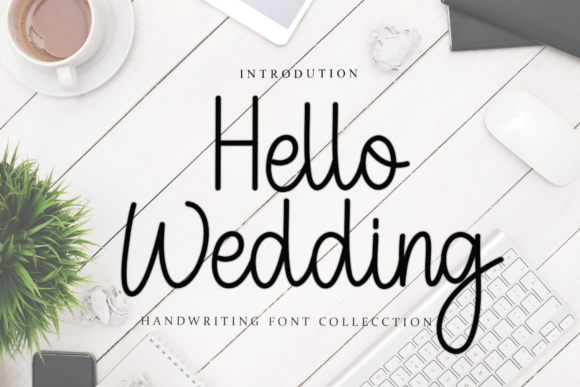
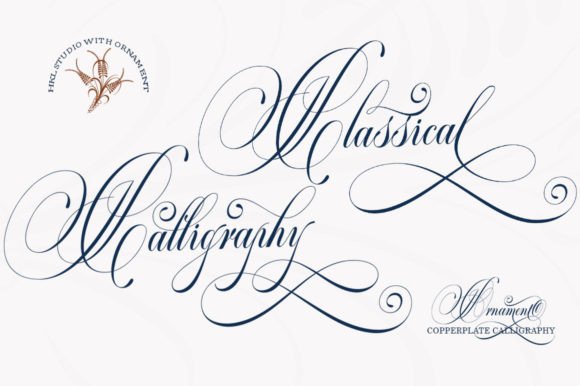
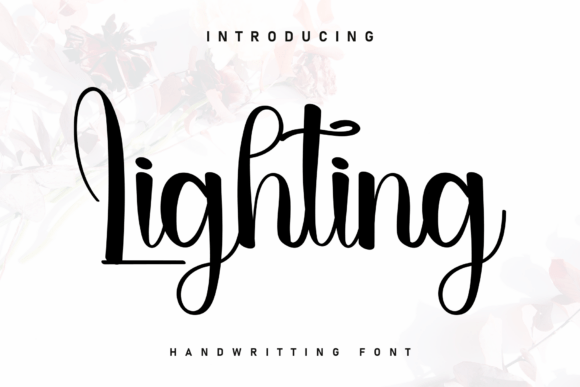
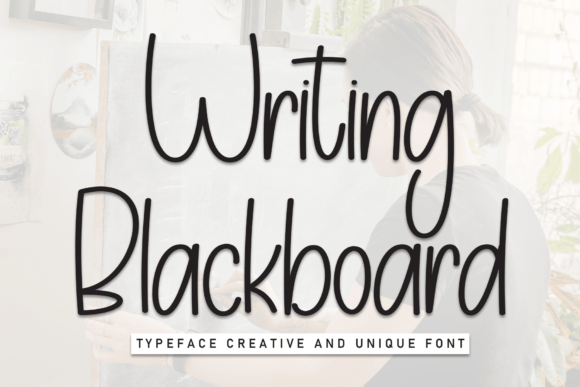
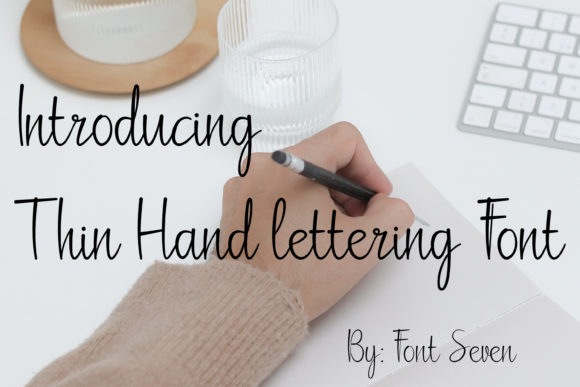
At its core, Thin Hand-lettering Script is a premium font designed to mimic the fluidity and inconsistency of natural handwriting. Its defining feature is its delicate weight—the strokes are fine and airy, avoiding any sense of heaviness or clutter. This daintiness is key to its appeal. It doesn’t shout for attention; instead, it invites the viewer in with a gentle, romantic whisper. The letterforms are crafted with a subtle bounce and varied baseline, giving the text an organic rhythm that feels authentic and lively. This isn't a cold, technical script font; it's a creative font with a soul, perfect for projects where a human connection is paramount.
Visually, its strength lies in its balance. While it's a decorative display font, its thin strokes ensure it doesn't become overwhelming. This makes it surprisingly versatile. It can serve as a stunning headline for a wedding invitation, but it can also function beautifully for shorter blocks of text where a touch of personality is needed. Think of it as the typographic equivalent of a handwritten thank-you note—personal, thoughtful, and memorable.
From Brand Identity to Marketing Assets: Practical Applications
The real value of a font like Thin Hand-lettering Script is realized when it’s applied to real-world projects. Its romantic and personalized nature makes it a natural fit for certain industries, but its applications extend far beyond the obvious. Let’s explore how different professionals can leverage its unique qualities.
For small business owners and entrepreneurs, especially those in the wedding, event planning, floral, or boutique retail sectors, this typeface can become a cornerstone of brand identity. Imagine it used on a bakery’s logo design, creating an immediate sense of homemade care. Picture it on packaging design for artisanal products, where it adds a layer of perceived quality and craftsmanship. It transforms a simple label into a story.
Content creators and marketers can use it to break the monotony of standard web design and social media graphics. A quote graphic on Instagram using this script font instantly feels more inspirational and shareable. It can add a personal signature to blog headers, email newsletter graphics, or digital product covers, making content feel more curated and less generic. In marketing assets, it can highlight a special offer or a personal message from the founder, fostering a stronger audience engagement.
For designers and publishers, it’s a valuable addition to any font pairing toolkit. In editorial design, it can be used for pull quotes, chapter titles, or author bylines in lifestyle magazines. It brings a human element to layouts that might otherwise feel overly structured. When used in print materials like posters for local events or flyers for creative workshops, it sets a welcoming and artistic tone from the first glance.
Pairing and Practicality: Making the Font Work for You
Introducing a distinct script font into a project requires a thoughtful approach to ensure visual consistency and readability. The goal is to let its personality shine without compromising the project's clarity or professional presentation.
A cardinal rule in modern typography is contrast. Because Thin Hand-lettering Script is a detailed and expressive typeface, it pairs best with clean, simple companions. A classic serif font or a straightforward sans serif font for body text creates a harmonious balance. The script draws the eye for headlines and accents, while the simpler font ensures that longer passages of information remain easy to read. For example, pairing it with a neutral sans-serif for website body copy or a product description ensures the design feels both polished and approachable.
Readability is always a critical consideration. This font excels at larger sizes where its delicate details can be appreciated. As a general guideline, it’s best used for headlines, subheads, logos, and short phrases rather than for body text on a website or in a lengthy document. Always test your designs across different devices and in print to ensure the thin strokes remain legible against their background, especially on textured papers or busy images.
Considering the Complete Design Package
When you invest in a font like this, you’re often getting more than just a single style. A well-crafted creative font package may include alternates, ligatures, and stylistic sets. These are alternate character forms that can be accessed to add even more variety and a truly custom, hand-lettered feel to your text. Exploring these options allows you to avoid repetitive letter shapes, making your typography feel even more authentic and carefully composed.
Finally, a crucial practical step is to understand the licensing. For any commercial font—whether you're using it on merchandise, for client work, or in digital products sold online—ensure you have the correct commercial license. This protects both you and the font designer. Reputable font providers make this information clear, allowing you to use your new design assets with confidence across all your projects.
Ultimately, choosing a typeface is about choosing a voice. Thin Hand-lettering Script offers a voice that is dainty, joyful, and deeply personal. It’s a tool for adding a romantic touch, a celebratory flourish, or a simple, human signature to your work. By understanding its strengths and applying it with intention, you can harness its charm to create designs that don’t just look beautiful, but feel genuinely connected to the people they’re meant to reach.