The Cozy Charm of Lighting: A Handwritten Font for Real Projects
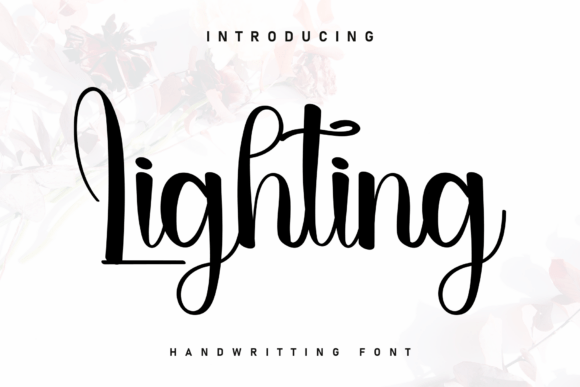
There’s a certain warmth that comes from seeing something genuinely handwritten. It feels personal, immediate, and human. In a world saturated with clean, geometric digital typefaces, the Lighting font arrives like a friendly note slipped under your door. This isn’t just another script font; it’s a character with a story. Its letters don’t sit rigidly in a row—they dance. Each one has a subtle, organic sway, as if written by a hand that was comfortable and confident. This unique baseline movement is what gives Lighting its signature cozy accent, transforming simple text into an inviting visual element.
Where This Handwritten Font Truly Shines
Understanding a font’s personality is one thing; knowing where to deploy it is another. The sweet, approachable nature of Lighting makes it exceptionally versatile for projects where connection and authenticity are key. Think of it as your go-to for adding a human touch without sacrificing clarity.
For branding, it’s a secret weapon for businesses built on personal relationships—think boutique bakeries, artisan studios, lifestyle coaches, or eco-friendly product lines. Using Lighting in your logo design or as a secondary font in your brand identity system can instantly communicate approachability and care. It says, “We’re real people, and we’re here to help.”
The applications extend beautifully into physical products. Imagine it on packaging design for handcrafted goods, where it reinforces the artisanal quality. On merchandise like tote bags, mugs, or t-shirts, it adds a casual, trendy vibe. For invitations—whether for a wedding, a workshop, or a grand opening—Lighting sets a joyful and relaxed tone from the moment someone opens the envelope.
Integrating Lighting into Your Digital Presence
Your digital footprint is where Lighting can perform a quiet but powerful role. On websites and blogs, it’s perfect for hero section headlines, pull quotes, or call-to-action buttons where you want to draw the eye and inject personality. It breaks the monotony of standard body text and guides the reader’s attention.
The font is a natural fit for social media graphics. In a fast-scrolling feed, its unique, dancing characters can stop the thumb. Use it for Instagram story templates, quote graphics, or announcement posts. It helps create a consistent, recognizable visual language that boosts audience engagement. People connect with what feels genuine, and a well-chosen handwritten font like this one is a direct line to that feeling.
For digital products—think e-books, worksheets, or online course materials—Lighting can highlight key takeaways, chapter titles, or motivational tips, making the content feel more accessible and less intimidating than a dense block of corporate sans-serif text.
Practical Tips for Using a Script Font Effectively
While Lighting is beautiful, using any display font or script font effectively requires a bit of strategy. Here’s how to ensure it enhances rather than hinders your project.
- Pairing is Everything: A creative font like Lighting rarely works well alone for large amounts of text. Pair it with a clean, highly readable sans serif font or a classic serif font. Let Lighting handle the headlines and accents, while its partner font takes care of the body copy. This creates visual hierarchy and ensures readability.
- Context Matters: Match the font to your project’s goal. Is it for a professional law firm’s website? Probably not. Is it for a children’s brand, a coffee shop menu, or a creative portfolio? Absolutely. The font’s personality should align with the message you want to send.
- Test for Readability: Always test your chosen typeface at the size it will be viewed. A word that looks charming in a design mockup might become illegible on a mobile screen. Check letter spacing and ensure the flowing characters don’t merge into an unreadable blob.
- Explore the Styles: A premium font often comes with multiple styles. Does Lighting include alternate characters, ligatures, or different weights? These extras are gold. They allow you to customize the text, avoid repetitive letter shapes, and achieve a more authentic, hand-lettered look. Review the included font files thoroughly.
Beyond Aesthetics: Building a Cohesive Visual System
Choosing a typeface like Lighting isn’t just a decorative decision; it’s a strategic one for your visual consistency. When used systematically across all your touchpoints—from your website header to your email signature to your print materials—it becomes a core component of your brand recognition. Customers start to associate that friendly, dancing script with your business. It becomes a visual shorthand for your brand’s values of warmth and creativity.
This consistency is what separates amateur projects from professional presentation. It shows thoughtful curation. Whether you’re a small business owner designing your own materials or a designer building a brand identity for a client, the deliberate selection of a typeface like Lighting demonstrates an understanding of how modern typography communicates on an emotional level.
Finally, a crucial note for commercial use: always verify the licensing. If you plan to use Lighting for client work, merchandise for sale, or widespread marketing campaigns, ensure you have the correct commercial font license. This protects you legally and supports the type designers who create these valuable design assets. The right license lets you use the font with confidence across all your marketing assets, editorial layouts, and web design projects.
In the end, Lighting is more than just a set of letters. It’s a tool for storytelling. Its sweet, beautiful characters offer a way to infuse your projects with a cozy, human accent that resonates. By applying it thoughtfully, you can bridge the gap between digital polish and personal touch, creating work that truly connects.