Classical Calligraphy: Crafting Timeless Elegance for Your Projects
There’s a certain magic to the handwritten word, a personal touch that digital text often struggles to capture. In the world of design, finding a typeface that bridges the gap between classic artistry and modern usability can transform a good project into a memorable one. This is where a font like Classical Calligraphy enters the scene, offering a blend of vintage charm and contemporary clean lines that speaks directly to the heart of visual storytelling.
A Typeface with a Story to Tell
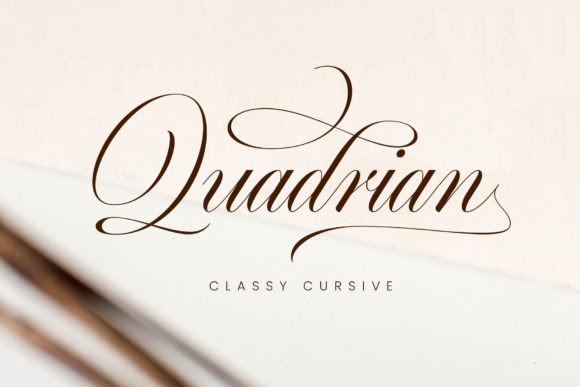
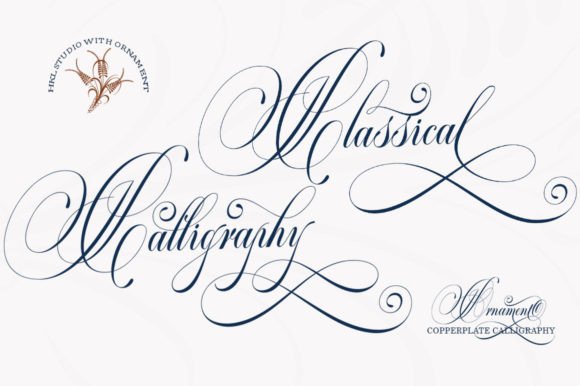
Classical Calligraphy isn't just another script font. It’s a carefully crafted vintage calligraphy script that draws inspiration from the fluid, structured beauty of Copperplate style, infused with a natural, handwritten sensibility. The result is a typeface that feels both refined and approachable. Its smooth curves and balanced strokes create a feminine, sensual, and glamorous aesthetic without sacrificing readability. Each letterform is designed to flow seamlessly into the next, creating a harmonious rhythm that guides the viewer's eye across the page.
What truly sets this creative font apart are its extensive alternative characters. These aren't just minor variations; they are beautifully designed swashes, ligatures, and stylistic alternates that allow you to customize the look and feel of your text. Whether you're aiming for a subtly ornate touch or a more dramatic flourish, these extras provide the tools to make your typography unique. The fact that it is PUA encoded means accessing these special glyphs is straightforward, eliminating technical barriers and letting you focus on the creative process.
Where Elegance Meets Application
The practical value of a font lies in how well it serves a project's goals. Classical Calligraphy's versatility makes it a strong candidate for a wide range of applications where a personal, premium touch is desired. Its inherent style lends itself beautifully to projects that need to convey romance, sophistication, or artisanal quality.
- Brand Identity & Logo Design: For businesses in the wedding industry, boutique hotels, high-end bakeries, or luxury skincare, this font can form the cornerstone of a brand identity. A logo set in Classical Calligraphy immediately communicates elegance and care, helping to build brand recognition with a target audience that values aesthetics.
- Packaging & Labels: Imagine this script gracing the label of a artisanal gin, a jar of gourmet jam, or a scented candle. It adds a layer of perceived value and craftsmanship, making the product feel more special and giftable. Its readability ensures that essential information remains clear.
- Invitations & Stationery: This is a natural home for a calligraphy script. Wedding invitations, event announcements, and thank-you cards benefit immensely from its romantic and formal character. It sets the tone for the event before a word is even read.
- Digital Presence: Used strategically, it can elevate social media graphics, blog headers, or website hero sections. A few impactful words in this script can draw attention and convey a specific mood, pairing effectively with clean sans-serif fonts for body text to maintain overall readability.
- Editorial & Marketing Materials: In magazine layouts, book covers, or promotional posters, it can be used for headlines or pull quotes to add visual interest and break up blocks of text, enhancing the overall design hierarchy.
Practical Considerations for Effective Use
While the font is visually stunning, thoughtful implementation is key to achieving professional results. Here are some practical tips for integrating it into your workflow:
Pairing with Purpose: A script font, no matter how readable, is rarely ideal for long paragraphs. The real power comes from pairing it. Combine Classical Calligraphy with a clean, neutral serif or sans-serif font for body copy. This creates a dynamic contrast that is both aesthetically pleasing and functional, ensuring your message is communicated clearly.
Context is King: Always consider your medium and audience. The flourish that looks perfect on a wedding invitation might be less effective on a legal document. Test the font at the size it will be used. Ensure the swashes don't interfere with other design elements or compromise legibility in small digital spaces.
Explore the Alternates: Don't just settle for the default characters. Take the time to explore the full range of stylistic alternates and swashes included. Experimenting with different initial and terminal letters can dramatically change the vibe of a headline, giving you multiple "looks" from a single font file.
Licensing for Success: Before using any premium font for a commercial project, always verify the license. Understanding the terms for logos, merchandise, and digital products ensures you're using the asset correctly and protects your work legally.
More Than Just a Pretty Script
Ultimately, choosing a typeface like Classical Calligraphy is about more than just aesthetics. It’s a strategic decision in visual communication. A well-chosen font contributes to visual consistency across all your brand touchpoints, reinforcing your identity and making your work instantly recognizable. It enhances the professional presentation of your projects, signaling attention to detail and quality.
In a crowded digital landscape, these details matter. They create a cohesive experience for your audience, whether they are holding a physical invitation or scrolling through a social media feed. By selecting typography that aligns with your project's emotional core and functional needs, you craft a more engaging and memorable narrative. Classical Calligraphy offers a versatile tool for doing just that—blending the timeless art of the pen with the demands of modern design to help your projects tell a more compelling story.