Seawave: A Decorative Display Typeface for Bold Branding
Imagine a font that doesn't just sit quietly on the page but makes a confident entrance. Seawave is exactly that—a decorative display typeface crafted for moments when subtlety won't cut it. With its artistic flourishes and unmistakable presence, this font turns ordinary headlines into visual statements. Whether you're designing a logo that needs to stick in someone's memory or packaging that jumps off a shelf, Seawave brings personality to every letter. It's built for creators who understand that typography isn't just about readability; it's about making an impression.
Where Art Meets Function in Typography
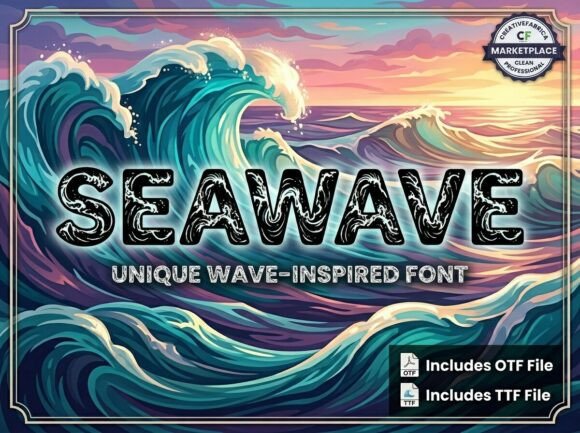
What sets Seawave apart from standard fonts is its deliberate design philosophy. Each uppercase letter carries unique artistic elements—think unexpected curves, decorative serifs, or subtle weight variations that give the typeface a handcrafted quality. This isn't a font you'd use for body text, and that's by design. Seawave is an all-caps display typeface, meaning it intentionally omits lowercase letters. This constraint actually becomes a strength: it forces every word into a uniform, impactful format that works exceptionally well for short, high-impact text. The professional finish ensures that even with its decorative nature, the font maintains clean lines and balanced proportions suitable for commercial applications.
When you download Seawave, you receive two essential file formats: OTF and TTF. The OpenType Font file works seamlessly with professional design software like Adobe Creative Suite, giving you access to advanced typographic features. The TrueType Font file ensures compatibility across virtually any device or application, from your desktop design tools to basic word processors. This dual-format approach means you can use the same typeface whether you're crafting a vector logo in Illustrator or adding text to a social media template in Canva.
Practical Applications Across Creative Projects
Let's talk about where Seawave actually shines in real-world projects. For branding, this typeface works beautifully as a primary logo font—especially for businesses in creative industries, boutique retail, hospitality, or personal branding. A coffee roaster might use it for their bag labels, while a wedding photographer could feature it on their website hero section. The key is using it strategically for elements that need to stand out rather than for extended paragraphs.
In packaging design, Seawave helps products tell a story before customers even read the description. Think artisanal food labels, cosmetic containers, or specialty beverage bottles where the typography itself becomes part of the product experience. For social media graphics, the font creates scroll-stopping headlines for Instagram posts, Pinterest pins, or Facebook ads. Its distinctive style helps maintain visual consistency across platforms while reinforcing brand recognition.
Beyond digital applications, Seawave translates effectively to print materials. Event posters, business cards, product tags, and invitation suites all benefit from its decorative character. The font particularly excels in editorial layouts—think magazine covers, book chapter headings, or feature article titles where typography sets the tone. For entrepreneurs creating digital products like online courses, ebooks, or printable planners, Seawave adds a professional yet creative touch to cover designs and section headers.
Smart Typography Choices for Effective Communication
Choosing the right font style involves more than personal preference—it's about aligning typography with your project's goals. A display font like Seawave communicates creativity, boldness, and attention to detail. It suggests that the brand or project values visual presentation. This makes it particularly effective for businesses targeting audiences who appreciate design-conscious products or services.
However, display fonts require thoughtful implementation. Because Seawave is designed for impact rather than extended reading, pairing it with complementary typefaces becomes essential. Consider combining it with a clean sans-serif for body text or a simple serif for supporting copy. This contrast creates visual hierarchy—Seawave handles the attention-grabbing headlines while the secondary font ensures readability for longer content. Testing different pairings before finalizing your design helps ensure the typography system works harmoniously across all applications.
Readability considerations are especially important with decorative typefaces. While Seawave maintains professional clarity, its artistic elements mean it performs best at larger sizes. Use it for headlines, logos, and display text where its details can be appreciated, but avoid using it for small body text or dense paragraphs. The all-caps format actually aids readability in short bursts by creating uniform letterforms, but extended uppercase text can become challenging to read—so reserve Seawave for strategic moments where visual impact matters most.
Building Brand Recognition Through Distinctive Typography
Consistent typography plays a crucial role in brand recognition. When customers repeatedly encounter the same typeface across your website, social media, packaging, and marketing materials, it creates a cohesive visual identity. Seawave's distinctive style makes it particularly effective for this purpose—its unique characteristics become associated with your brand's personality. This visual consistency helps build trust and professionalism, showing that you've thoughtfully curated every aspect of your brand presentation.
For small business owners and entrepreneurs, investing in a premium font like Seawave can elevate your visual presence significantly. Unlike free fonts that might appear across countless websites and products, a commercial typeface offers more exclusivity and professional quality. The licensing included with your purchase typically covers commercial use, allowing you to incorporate the font into client projects, merchandise, and digital products without additional fees—a practical consideration for anyone building a business or creative practice.
Remember that typography is just one element of your visual system. Seawave works best when it complements your color palette, imagery, and overall design language. Take time to experiment with how the font interacts with other design assets in your projects. Sometimes the most effective applications come from unexpected combinations—pairing the decorative typeface with minimalist layouts, for instance, or using it alongside photography that shares similar artistic sensibilities.
Ultimately, Seawave offers a specialized tool for specific creative needs. It won't replace your everyday text fonts, but for those moments when you need typography that commands attention and communicates personality, it delivers a polished, professional solution. Whether you're refreshing your brand identity, launching a new product line, or creating marketing materials that stand out, this display typeface provides the visual impact needed to make your projects memorable. The key is using it intentionally—letting its artistic character shine where it matters most while ensuring your overall design remains balanced and effective.