Blackboard: A Display Typeface for Bold, Artistic Branding
There’s a moment in every creative project where you need a visual element that does more than just communicate words—you need something that commands attention. Whether you’re designing a logo for a new boutique, crafting social media graphics that stop the scroll, or packaging a product that needs to stand out on a crowded shelf, the typography you choose can make or break that first impression. This is where a truly distinctive typeface enters the picture, and why Blackboard has become a go-to for designers and creators seeking a powerful, artistic voice.
A Typeface with Unmistakable Character
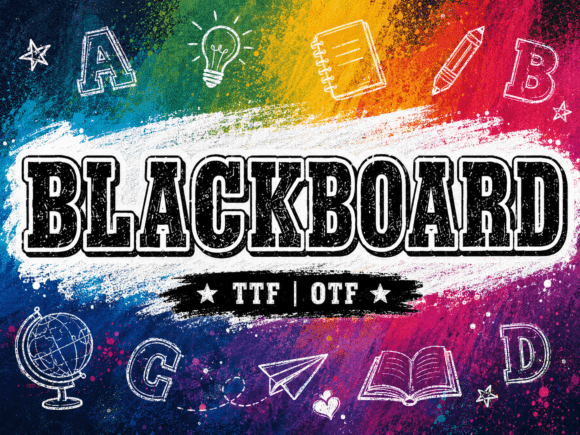
Blackboard isn’t just another font. It’s a decorative display typeface engineered for impact. Think of it as the typographic equivalent of a bold brushstroke or a sculptural centerpiece—it’s designed to be the visual anchor of your composition. The letterforms feature unique artistic elements and a strong, confident personality that immediately sets them apart from more conventional fonts. Each uppercase letter feels like a crafted piece of art, with flourishes, weights, or structural details that give it a dramatic, eye-catching presence.
What makes this particularly valuable for practical design work is its dual nature. While it possesses a strong artistic flair, it also maintains a professional, polished finish. This balance is crucial. You get the expressive, attention-grabbing qualities of a creative font without sacrificing the clarity and sophistication needed for commercial applications. It’s a typeface that understands the demands of modern branding and visual communication.
Where Blackboard Truly Shines: Practical Applications
The true test of any premium font is how it performs in the real world. Blackboard’s strength lies in its versatility for high-impact, headline-driven projects. Here’s how different creators and professionals can put it to work:
- Logo & Brand Identity Design: For brands that want to project confidence, creativity, and a touch of artistry, Blackboard can form the core of a memorable logo. It’s especially effective for businesses in fashion, beauty, artisanal food, event planning, or any creative service where a strong visual identity is paramount. Imagine a bakery logo where the name is set in this typeface—it immediately conveys craft and quality.
- Packaging & Product Labels: On a shelf or in an online store, packaging has seconds to make an impression. Using Blackboard for product names or key descriptors helps your packaging leap out. It’s perfect for limited edition releases, luxury items, or products targeting a design-savvy audience.
- Marketing & Social Media Graphics: In the fast-paced world of social media, a bold headline font is essential for stopping the scroll. Blackboard excels here for event promotions, sale announcements, quote graphics, and Instagram story headers. Its unique character helps your content stand out in a sea of generic sans-serif fonts.
- Editorial & Print Design: Think magazine covers, poster designs, book covers, and event invitations. For any print project that needs a dramatic title or a powerful headline, this typeface provides the necessary visual weight and artistic interest. It can turn a simple invitation into a keepsake.
- Digital Products & Websites: While primarily for headlines, it can be used strategically on websites for hero section titles, section headers, or call-to-action buttons to inject personality. It’s also fantastic for the cover graphics of digital products like ebooks, online course materials, or downloadable art prints.
- Merchandise & Apparel: For t-shirts, tote bags, mugs, and other merchandise, a strong, all-caps display font is often exactly what’s needed. Blackboard’s artistic flair can make a simple phrase or brand name on a product feel unique and desirable.
Making Strategic Typography Choices
Choosing the right font style is a strategic decision, not just an aesthetic one. Before selecting Blackboard for your project, consider a few key questions. What is the core personality of your brand or project? Is it bold and modern, artistic and handcrafted, or luxurious and sophisticated? This font leans into a bold, artistic, and slightly dramatic personality. It’s a tool for creating a strong brand recognition and a professional presentation that feels curated and intentional.
A critical point to remember is that Blackboard is an all-caps, uppercase-only display typeface. This is a deliberate design choice that maximizes its visual impact for headlines and logos, but it also means it’s not suitable for body text or long paragraphs. The key to using it effectively is understanding its role: it’s the star of the show, supported by a more neutral, readable font for supporting text. This practice of font pairing is fundamental to good design. Pair Blackboard with a clean sans-serif like Montserrat or a classic serif like Lora for body copy. The contrast will let the display font shine while ensuring your overall design remains balanced and legible.
Working with Your Design Assets
When you invest in a quality typeface, you’re adding a valuable tool to your design toolkit. The Blackboard font package typically includes both OTF and TTF files. The OTF (OpenType Font) file is the professional standard, offering advanced typographic features and broad compatibility with design software like Adobe Creative Suite. The TTF (TrueType Font) file ensures universal compatibility across all devices and operating systems, which is essential for final deliverables and web use.
Before finalizing any design, especially for commercial use, always review the licensing. Ensure the license covers your intended use, whether it’s for a client’s logo, merchandise for sale, or digital products. Taking a moment to test font pairings in your actual design mockups is also crucial. Does the headline font clash with your body copy? Does it maintain readability at the size you need? Seeing it in context is the best way to judge its effectiveness.
Ultimately, a font like Blackboard is more than just letters on a screen. It’s a design asset that helps you solve a visual communication problem: how to grab attention, convey a specific mood, and build a cohesive, memorable brand identity. By understanding its strengths and applying it thoughtfully, you can elevate your projects from ordinary to extraordinary, ensuring your message isn’t just seen, but remembered.