Margin: The Classic Serif That Brings Unique Style to Every Project
There's a certain quiet confidence that comes with a typeface rooted in tradition, yet designed with a modern sensibility. Margin, a premium serif font, embodies this balance perfectly. It draws inspiration from the enduring principles of classic typography but carves out its own distinct personality, making it a versatile and visually compelling choice for designers, entrepreneurs, and creators across countless applications. If you've been searching for a display font that commands attention without shouting, and carries a sense of refined authority, Margin deserves a closer look.
A Typeface with Personality and Purpose
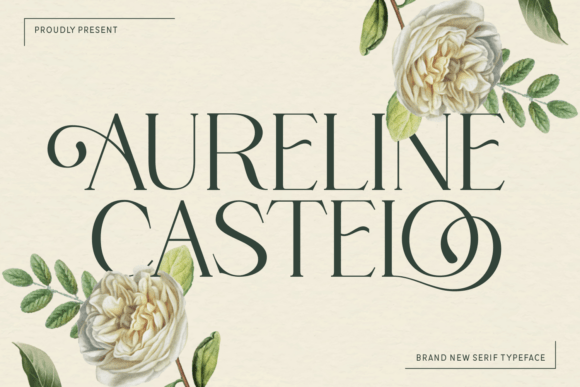
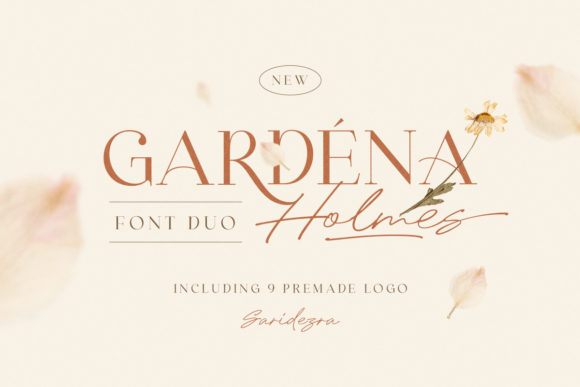
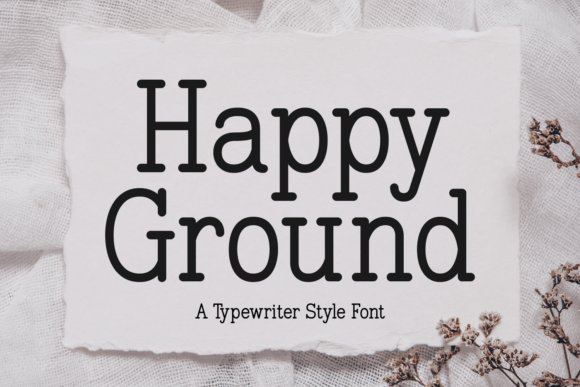
At its core, Margin is a serif typeface, but that simple label doesn't capture its full character. The letterforms feature clean, elegant lines with subtle, distinctive details that set it apart from more generic serif fonts. The serifs themselves are crisp and well-defined, providing a solid foundation that aids in legibility, especially in longer text blocks. Yet, there's a contemporary touch in the curves and terminals that prevents it from feeling dated or overly formal. This unique blend makes Margin exceptionally adaptable. It can feel authoritative and professional in a corporate report, yet approachable and stylish on a boutique product label. Its strength lies in this ability to shift tone while maintaining its core identity—a crucial trait for any font intended for branding and design work.
Where Margin Truly Shines: Practical Applications
The real test of any creative font is how it performs in the wild, across different mediums and for various goals. Margin's design is optimized for both impactful headlines and readable body text, giving it a remarkable range of utility.
Building a Memorable Brand Identity: Your choice of typography is a cornerstone of your brand's visual language. Margin, used consistently across your logo, website headers, and marketing materials, can help establish a brand identity that feels both established and fresh. It conveys trustworthiness and taste, making it ideal for businesses in sectors like law, consulting, luxury goods, publishing, or artisanal craftsmanship. Imagine a bakery using Margin for its logo and menu—it instantly communicates quality and attention to detail.
Designing for Print and Packaging: In the world of packaging design, typography must grab attention on a crowded shelf while clearly communicating information. Margin's high-contrast strokes and elegant structure make it perfect for product names, taglines, and descriptive text on boxes, bottles, and labels. It also excels in editorial design for magazines, lookbooks, and annual reports, where it can create a sophisticated hierarchy between headlines, subheads, and body copy.
Capturing Attention in Digital Spaces: For web design, social media graphics, and digital products, Margin offers a professional polish. A blog using Margin for its post titles and pull quotes will look instantly more curated and authoritative. On social media, a well-set quote or announcement in Margin can stop the scroll, conveying your message with style and clarity. Its readability at various sizes ensures your content is not only beautiful but also accessible.
Crafting Invitations and Special Projects: For personal or commercial events, the right font sets the entire mood. Margin is a fantastic choice for wedding invitations, event programs, or business stationery. It adds a layer of sophistication and intentionality that generic fonts lack. For crafters and hobbyists creating custom merchandise like tote bags, mugs, or prints, Margin provides a professional-grade design asset that elevates the final product.
Matching Margin to Your Project Goals
Choosing a font like Margin is just the first step. To use it effectively, consider these practical tips:
- Define the Mood: What emotion or message do you want to convey? Margin's classic foundation makes it reliable for serious, trustworthy, or elegant themes, while its unique style allows it to feel modern and creative. Start with your project's goal in mind.
- Explore Font Pairings: Margin works beautifully with a range of other typefaces. For a clean, contemporary look, pair it with a simple, geometric sans serif font for body text or captions. For a more dynamic or creative contrast, consider a subtle handwritten font or a script font for accents. Always test pairings together to ensure visual harmony and readability.
- Utilize the Included Styles: A quality premium font like Margin often comes with multiple styles—perhaps a regular, medium, bold, and italic. Review these options carefully. Using the bold weight for headlines and the regular weight for body text is a classic way to create visual hierarchy and guide the reader's eye through your layout.
- Prioritize Readability: While Margin is designed for clarity, always test your text in its intended environment. Check that body text remains comfortable to read in long paragraphs on screen and in print. Ensure headline text is legible at the sizes you plan to use, especially on mobile devices or from a distance for posters.
- Understand Licensing: If you plan to use Margin for client work, merchandise, or digital products for sale, ensure you have the appropriate commercial license. Most premium fonts have clear licensing terms that cover various uses, protecting both you and the font designer.
The Lasting Value of Thoughtful Typography
In a landscape saturated with quick-fix design tools and disposable trends, investing in a high-quality, versatile typeface like Margin is a decision that pays long-term dividends. It's more than just a set of letters; it's a design asset that brings consistency, professionalism, and a distinct voice to everything it touches. By improving visual consistency across all your touchpoints, you strengthen brand recognition. By ensuring readability and a polished presentation, you respect your audience's time and enhance engagement. Whether you're finalizing a brand identity, designing a new product line, or creating your next blog post, choosing typography with intention is what separates good design from great design. Margin offers that rare combination of timeless inspiration and contemporary flair, making it a worthy addition to any designer's toolkit.