Baby Dream: A Typeface That Feels Like a Warm Hug
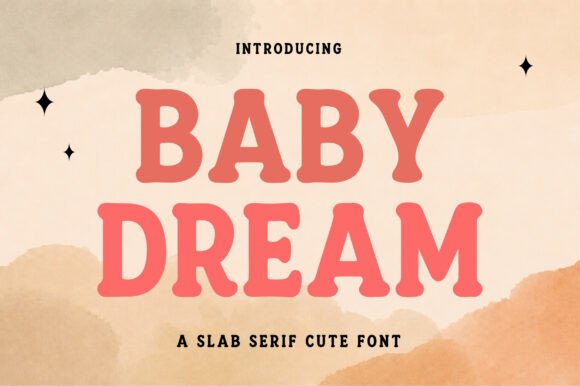
There's something undeniably magical about a font that can make you smile the moment you see it. Baby Dream is exactly that kind of typeface—a cute slab serif with bold curves, chunky serifs, and a sweet retro personality that instantly brings warmth and playfulness to any project. Whether you're designing a logo for a children's boutique, crafting social media posts for a parenting blog, or putting together invitations for a baby shower, this font has a way of making everything feel cheerful and inviting. It's the kind of design asset that doesn't just sit quietly in the background; it actively contributes to the emotional tone of your work.
Why Personality Matters in Typography
Choosing a font is one of the most consequential decisions you'll make in any design project, yet it's often rushed or treated as an afterthought. The typeface you select communicates mood, values, and personality before anyone reads a single word. A sleek sans serif font might signal modernity and efficiency, while a flowing script font whispers elegance and intimacy. Baby Dream occupies a specific and delightful niche: it's friendly without being childish, retro without feeling dated, and bold without overwhelming the content it carries.
This balance is what makes it such a versatile tool. If you've ever struggled to find a typeface that feels approachable yet professional, playful yet legible, Baby Dream might be the missing piece in your design toolkit. It bridges the gap between whimsy and functionality, which is surprisingly rare in the world of display fonts.
Where Baby Dream Truly Shines
Let's talk about real-world applications, because a font is only as valuable as the projects it elevates. Baby Dream excels in contexts where warmth and approachability are essential. Think about baby product packaging—the kind you see on shelves at boutiques or on Etsy listings for handmade goods. A chunky slab serif like Baby Dream on a label or box immediately signals that the product is designed with care and personality. It catches the eye in a crowded marketplace and helps establish brand identity from the very first glance.
For small business owners in the children's space, branding consistency is everything. Using Baby Dream across your logo, website headers, product tags, and social media graphics creates a cohesive visual language that customers begin to recognize and trust. When someone sees that distinctive retro slab serif style on an Instagram post, they should immediately associate it with your brand. That kind of visual recognition is invaluable, and it starts with choosing a typeface that truly represents who you are.
Invitations and event materials are another natural fit. Baby showers, first birthday parties, nursery announcements—these are moments worth celebrating with thoughtful design. Baby Dream brings a sense of joy and nostalgia to printed invitations, digital e-vites, and even wall art for a child's room. The font's rounded forms and generous weight make it feel safe and comforting, which is exactly the emotional register these occasions call for.
Pairing Baby Dream with Other Fonts
No typeface works in isolation, and understanding how to pair fonts is a skill that separates good design from great design. Baby Dream, with its bold and expressive character, works best as a headline or display font. It's designed to grab attention, so using it for body text in long paragraphs might compromise readability. Instead, pair it with a clean sans serif font for supporting text. A simple, well-spaced sans serif provides a visual counterbalance, letting Baby Dream's personality shine without creating visual clutter.
For example, imagine a nursery quote poster with the word "Dream" set in Baby Dream at a large size, paired with a delicate sans serif underneath for the smaller text. Or consider a product label where Baby Dream handles the brand name and a straightforward sans serif carries the ingredient list and instructions. These combinations create hierarchy, guide the reader's eye, and ensure that your design communicates clearly at every level.
Experimentation is key here. Load Baby Dream into your design software alongside a few different sans serif or even handwritten font options, and set them side by side at various sizes. Pay attention to x-height compatibility, weight contrast, and overall mood alignment. The goal isn't to find fonts that match exactly—it's to find companions that complement each other while each fulfilling its specific role.
Practical Considerations for Professional Use
Beyond aesthetics, there are practical factors that matter when selecting a commercial font for professional projects. Baby Dream includes uppercase letters, lowercase letters, numbers, and punctuation, giving you the full range of characters needed for most design applications. Before committing to a font for a large project, it's always wise to test it thoroughly. Set real text that you'll actually use—brand names, taglines, addresses, phone numbers—to make sure every character you need is available and looks the way you expect.
Licensing is another consideration that many creatives overlook until it becomes a problem. If you're using Baby Dream for client work, merchandise, or commercial products, make sure you understand the licensing terms. Most premium fonts come with clear guidelines about how they can be used, and respecting those terms protects both you and the font designer. It's a small detail that speaks to professionalism and ethical practice in the design community.
Readability at different sizes is worth testing as well. Baby Dream's chunky serif details and bold curves make it highly legible at larger sizes, which is where display fonts perform best. However, if you're considering using it for subheadings or shorter blocks of text, test it at those sizes on both screen and print. What looks charming on a 27-inch monitor might lose clarity on a small product tag or mobile screen. A few minutes of testing can save you from costly reprints or redesigns down the road.
Bringing Warmth to Digital Spaces
In a digital landscape often dominated by minimalist sans serifs and stark geometric typefaces, Baby Dream offers something genuinely different. It injects personality into websites, blog headers, and social media graphics in a way that feels authentic rather than trendy. For content creators and bloggers in the parenting, lifestyle, or crafting niches, using a distinctive display font like this can help establish a visual voice that resonates with your audience.
Think about your Pinterest pins, your Instagram stories, your email newsletter headers. These are all touchpoints where typography shapes perception. A font like Baby Dream tells your audience that your content is approachable, creative, and worth their time. It's a subtle form of communication, but it's remarkably powerful when executed consistently across all your platforms.
Ultimately, the best typeface for any project is one that serves your goals and connects with your audience. Baby Dream does something special: it makes designs feel human, warm, and full of personality. For anyone working on projects that celebrate childhood, creativity, or joy, it's a typeface worth exploring—and one that might just become a permanent part of your design toolkit.