Darkness: The Font That Captures Extreme Metal's Brutal Aesthetic
There's a particular visual language that defines extreme metal. It's sharp, chaotic, and deliberately aggressive—the kind of typography that looks like it was etched into a wall with a blade rather than designed on a computer. If you've ever tried to recreate that raw, underground aesthetic for a band logo, album cover, or horror-themed project, you know how difficult it is to find a typeface that feels genuinely authentic. Most "metal" fonts end up looking cartoonish or overly polished, missing the visceral energy that makes black metal and death metal logos so iconic.
What Makes Darkness Stand Out in a Sea of Display Fonts
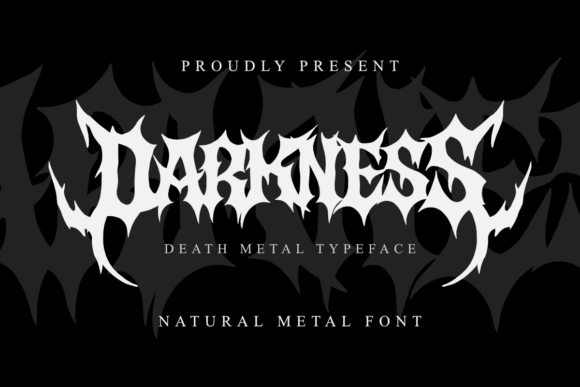
Darkness is a hand-crafted extreme metal font that doesn't try to be everything. It serves a specific purpose with brutal precision. The letterforms feature jagged edges, uneven baselines, and chaotic spacing that mirror the visual chaos of underground metal aesthetics. Unlike generic "scary" fonts that rely on gimmicks, Darkness draws directly from the visual tradition of band logos you'd find on cassette demos and photocopied zines from the late '80s and early '90s.
What separates this typeface from other display fonts in the creative market is its restraint within chaos. Yes, the letters are aggressive and sharp, but they maintain a cohesive visual rhythm. Each character was individually crafted to work alongside the others, creating a unified look when assembled into words and phrases. That level of intentional design is what you're paying for with a premium font—it's not just a collection of edgy glyphs, but a carefully constructed visual system.
Practical Applications Beyond Band Logos
While Darkness obviously works for metal band logos and album artwork, its applications stretch much further than the music industry. Think about horror film posters, Halloween event flyers, haunted house branding, tattoo studio logos, and even certain fashion brands that lean into alternative or gothic aesthetics. Any project that needs to communicate darkness, intensity, or rebellious energy can benefit from this kind of typeface.
Here's where this font genuinely shines in real-world projects:
- Merchandise branding – T-shirts, hoodies, patches, and enamel pins for bands or alternative clothing lines
- Social media graphics – Announcement posts, event promotions, and story templates for musicians or entertainment brands
- Poster design – Concert flyers, film screenings, horror conventions, and themed events
- Packaging design – Craft beer labels, specialty coffee branding, hot sauce packaging, or any product targeting an alternative audience
- Digital products – Twitch overlays, YouTube channel art, podcast cover art, and gaming-related content
- Editorial layouts – Zine headers, magazine pull quotes, book chapter titles in horror or dark fiction
- Web design – Hero section headlines, landing page titles, and section headers for niche websites
Small business owners running tattoo shops, record stores, or alternative fashion brands will find this font particularly useful for maintaining visual consistency across multiple touchpoints—from storefront signage to Instagram posts to printed business cards.
Pairing Darkness with Other Typefaces
One of the most common mistakes designers make with extreme display fonts is using them for body copy. Don't do that. Darkness is built for headlines, logos, and short bursts of impactful text. For longer passages—descriptions, bios, pricing information, or editorial content—you'll need a complementary typeface.
A clean sans serif font works well for contrast. Something straightforward and neutral lets the aggressive personality of Darkness breathe without overwhelming the viewer. If your project leans more editorial or literary, a simple serif font can create an interesting tension between refined and raw. The key is balance: your supporting typography should step back and let the display font do its job.
When testing font pairings, set your headline in Darkness and try three or four different body fonts underneath. Step back from your screen—literally, move your chair back—and see which combination feels most natural. Good typography pairing isn't about matching styles; it's about creating hierarchy and contrast that guides the reader's eye.
Readability Considerations for Extreme Typography
Let's address the elephant in the room: extreme metal fonts aren't known for readability. The letterforms in Darkness are intentionally distorted, which means context matters enormously. A five-letter band name rendered in this typeface will be legible because the audience expects that visual style and can decode it quickly. A full sentence in all caps? That's going to be a struggle.
Smart designers use this font strategically. Keep your text short—band names, event titles, single words or brief phrases. If you're designing a logo, consider how it reads at different sizes. Test it on a phone screen and on a printed poster. What looks devastating at 200 pixels wide might become an illegible blob at 40 pixels. This is where the included font styles become valuable. Many premium fonts offer multiple weights or variations that give you flexibility across different applications and sizes.
For social media graphics specifically, remember that most users are scrolling quickly on small screens. Your headline needs to register immediately. If the full band name or event title is too complex in Darkness, consider using the font for the most impactful word and setting supporting information in a cleaner typeface.
Building Brand Identity with a Niche Typeface
Choosing a typeface like Darkness for your brand identity is a commitment to a specific audience. It signals that your brand lives in a particular cultural space—alternative music, horror entertainment, underground fashion, or counterculture art. That specificity is actually a strength. Brands that try to appeal to everyone rarely build passionate followings. Brands that speak directly to a defined community create loyalty.
For a metal band, using Darkness consistently across album artwork, tour posters, social media, and merchandise creates instant visual recognition. Fans learn to associate that typographic style with your music before they even read the words. That's the power of consistent brand identity through typography—it becomes a visual shorthand for everything your project represents.
For entrepreneurs and small business owners in adjacent spaces—a craft brewery with horror-themed branding, a clothing line targeting metalheads, a podcast about underground music—this font becomes part of your visual toolkit. It doesn't have to be your primary typeface for everything. Sometimes it's the accent piece you pull out for special releases, limited editions, or seasonal campaigns.
Licensing and Commercial Use
Before purchasing any font for commercial projects, always review the licensing terms. Most premium fonts offer different licenses depending on how you plan to use them—desktop, web, app, or server use. If you're creating merchandise to sell, designing client work, or building a brand that will appear on products, you need a commercial license. Using a font beyond its licensed scope can create legal headaches down the road, and that's a risk no designer or business owner should take.
Darkness, as a hand-crafted typeface designed for professional use, typically comes with clear licensing that covers most standard commercial applications. Read the specifics before you buy, factor the cost into your project budget, and you'll have a design asset you can use confidently across your entire brand ecosystem.
The right typography doesn't just make something look good—it communicates who you are before a single word is read. For projects that need to channel raw energy, underground credibility, and unapologetic darkness, having a typeface built specifically for that purpose makes all the difference between designs that feel authentic and designs that feel like a costume.