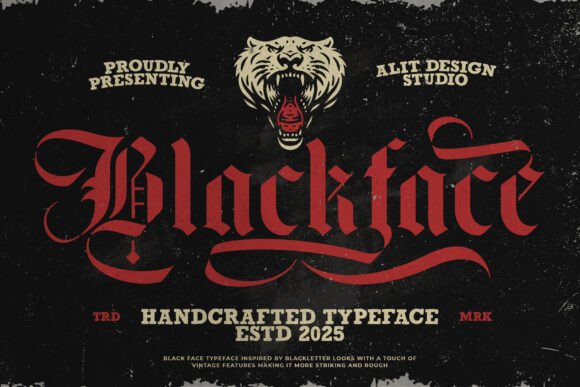
Black Face: A Typeface That Commands Attention
There’s a moment in every design project when you need a font that doesn’t just speak—it shouts. It’s the difference between a quiet whisper and a confident declaration. You know the feeling: you’re working on a logo, a poster, or a brand identity, and you need typography that carries weight, history, and undeniable presence. That’s where a meticulously crafted blackletter stencil typeface enters the conversation, offering a bridge between centuries-old elegance and the bold, unapologetic demands of modern visual communication.
The Art of Historical Boldness Reimagined
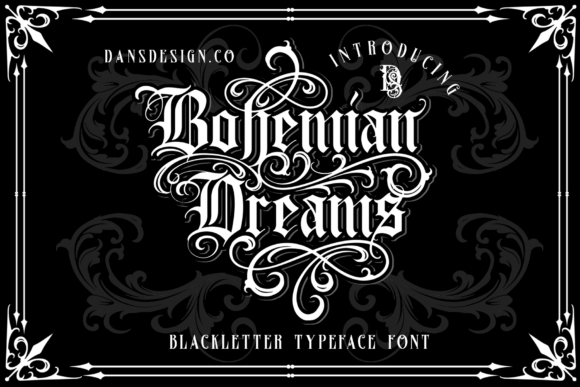
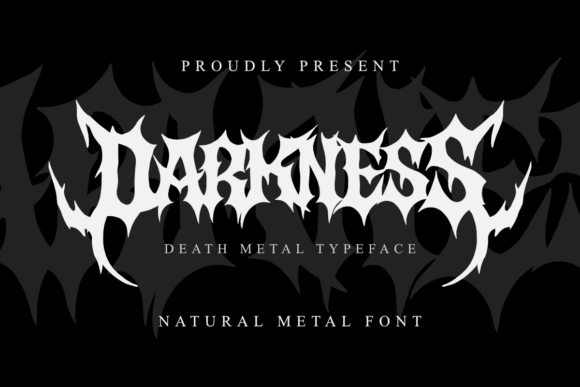
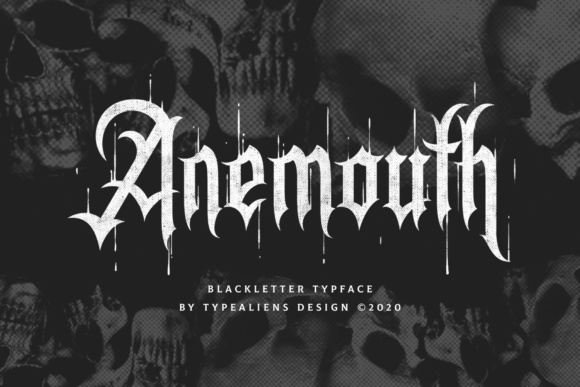
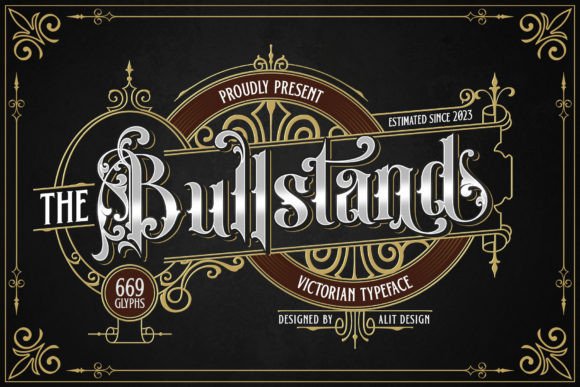
Blackletter fonts, often associated with medieval manuscripts and old-world craftsmanship, have long carried an air of tradition and authority. But when you take that historical framework and strip it down to its essential, stenciled forms, something remarkable happens. The result is a typeface that feels both familiar and fresh—honoring the past while speaking directly to contemporary audiences. The stencil cuts introduce a raw, industrial edge, making the letterforms feel more accessible, more adaptable, and far more versatile than their traditional counterparts.
This isn’t about recreating a relic. It’s about extracting the visual power of blackletter design—the dramatic contrast between thick and thin strokes, the ornate yet structured letterforms—and repackaging it for creators who need impact without compromise. The stenciled approach also solves a common blackletter challenge: readability. By introducing intentional breaks in the letterforms, the design maintains its distinctive character while becoming significantly easier to read at various sizes and in different contexts.
Where This Typeface Truly Shines
Think about the projects where you need typography to do more than just convey information. Consider a craft brewery designing a new IPA label—they need a font that suggests artisanal quality and bold flavor, something that stands out on a crowded shelf. Or a tattoo artist creating flash sheets, where the lettering needs to feel both timeless and edgy. Perhaps you’re a musician designing album cover art, or a small business owner launching a streetwear brand. In each case, the goal is the same: typography that tells a story before the viewer even reads the words.
This typeface excels in high-impact applications where visual hierarchy is paramount. It’s particularly effective for:
- Logo design and brand identity systems where you need a distinctive wordmark that’s instantly recognizable
- Packaging design for products that want to convey craftsmanship, heritage, or premium quality
- Poster and editorial layouts that require dramatic headlines and strong visual anchoring
- Social media graphics and digital marketing where stopping the scroll is essential
- Merchandise and apparel—think t-shirts, hats, and hoodies that make a statement
- Event invitations and announcements for occasions that deserve a sense of ceremony
The versatility comes from its dual nature. It carries the gravitas of historical blackletter design while the stencil treatment makes it feel accessible and modern. This balance means it can work for a luxury brand’s limited-edition release just as well as it can for an underground music festival’s promotional materials.
Building a Cohesive Visual Language
One of the most challenging aspects of brand development is maintaining consistency across every touchpoint. Your website, your business cards, your social media posts, your product labels—they all need to feel like they belong to the same family. A strong display typeface serves as the cornerstone of that visual consistency. When you choose a font with this much personality, you’re not just picking letters; you’re selecting a visual voice that will represent your brand’s character across every platform.
The key is understanding how to deploy it effectively. This isn’t a body copy font—you wouldn’t set entire paragraphs in a blackletter stencil. Instead, think of it as your headline workhorse. Use it for your primary logo, for section headers on your website, for the titles of your marketing materials. Then pair it with a clean, highly readable sans-serif or serif font for your supporting text. This contrast creates visual interest while ensuring your message remains clear and accessible.
Consider how a small business might use this approach. A coffee roaster could use the blackletter stencil for their logo and bag design, paired with a simple sans-serif for the blend descriptions and brewing instructions. A podcast host could use it for their show title and episode artwork, with a more neutral font for show notes and transcripts. The display font creates the emotional connection and brand recognition; the supporting font ensures practical readability.
Practical Considerations for Real Projects
Before committing to any premium font for a commercial project, there are a few practical steps worth taking. First, always test the font in your specific application context. Download the trial files if available and mock up your actual designs—don’t just look at the specimen sheet. How do the letterforms interact with your color palette? How does it look at the specific sizes you’ll need? Does it maintain its character when printed on different materials?
Font pairing is another critical consideration. The bold, ornate nature of a blackletter stencil typeface means it needs careful balancing. Generally, it pairs best with simple, geometric sans-serifs or clean, modern serifs. Avoid pairing it with other highly decorative fonts, as this creates visual competition rather than harmony. Test several combinations before finalizing your choice—sometimes the perfect partner font isn’t the one you initially expected.
Also, take time to explore all the included styles and alternates. Many premium fonts include multiple weights, stylistic alternates, ligatures, and special characters that can significantly expand your design possibilities. These extras allow you to customize the typography to better fit your specific needs, whether you’re looking for a slightly different aesthetic or need to solve a particular layout challenge.
The Commercial Reality of Font Selection
For any project that will be used commercially—whether you’re selling products, promoting services, or creating client work—licensing matters. It’s not just about legality; it’s about respecting the craftsmanship that goes into creating a quality typeface. A properly licensed commercial font gives you peace of mind and ensures you’re supporting the designers who create these essential tools.
When evaluating a font for commercial use, consider the scope of your project. Will it appear on products for sale? Will it be used in digital advertising? Will it be part of a client’s brand identity system? Understanding the licensing terms helps you avoid surprises down the road and ensures you’re using the font in a way that aligns with both your needs and the designer’s terms.
Ultimately, the right typeface is an investment in your project’s success. It’s not just about aesthetics—it’s about communication, recognition, and the professional impression you make on your audience. A font like this doesn’t just fill space on a page; it becomes part of your story, helping you connect with the people who matter most to your work.