Westfalia: A Hand-Painted SVG Font for Authentic Branding
There’s a certain magic in a design that feels truly handmade. In a world saturated with crisp digital vectors, the slight imperfections of a hand-drawn element—a wobbly line, a textured stroke, a letter that doesn’t quite sit perfectly on the baseline—can stop a viewer in their tracks. It signals authenticity, craft, and a human touch. For designers, entrepreneurs, and creators seeking that genuine, exploratory vibe, the Westfalia font family offers a compelling solution. It’s more than just a typeface; it’s a toolkit for injecting raw, organic energy into your visual projects.
Unpacking the Westfalia Experience: Texture and Transparency
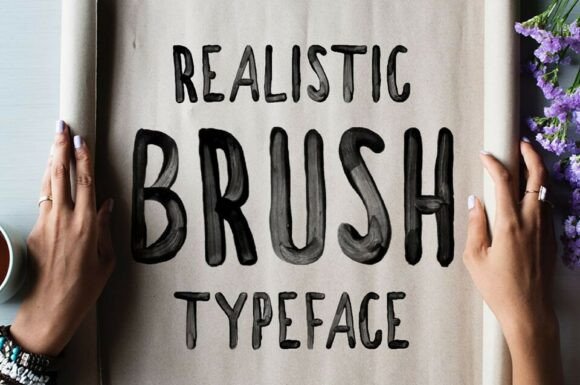
At its core, Westfalia is a free hand-painted brush font designed to capture the spirit of adventure and the great outdoors. The latest iteration, Westfalia SVG, elevates this concept significantly. The "SVG" in its name stands for Scalable Vector Graphics, but in the context of this font, it means something special: each letter, number, and punctuation mark is rendered in a format that preserves the authentic transparency and gritty texture of the original brush strokes. This isn't a clean, simulated brush effect; you can see the paint bristles, the ink pooling, and the paper grain peeking through. This level of detail is what gives Westfalia SVG its remarkable hand-drawn transparency, making it a standout creative font for projects where realism is key.
However, it’s important to understand the practicalities of this premium font feature. To view and utilize the SVG texture and transparency, you’ll need compatible design software. As of now, this includes Adobe Illustrator CC 22.0.0 and above, Photoshop CC 18.0 and above, InDesign CC 13.0.1 and above, or web-based tools like Photopea. This requirement is a small trade-off for the stunning visual payoff, ensuring your designs leverage the full, textured potential of the typeface.
Practical Applications: Where Westfalia Shines
The true value of a font like Westfalia lies in its versatility across real-world projects. Its messy edges and varied line thickness make it an ideal candidate for designs that need to feel approachable, rugged, or creatively free-spirited.
Brand Identity and Logo Design: For businesses in the outdoor, adventure, artisanal food, or handmade goods spaces, Westfalia can become the cornerstone of a memorable brand identity. Imagine a coffee roaster’s logo where the brand name appears as if brushed onto a burlap sack, or a hiking gear company using it for a wordmark that evokes trail maps and campfire stories. It helps build brand recognition by creating an immediate, tactile association with quality and authenticity.
Packaging and Product Design: On product packaging, Westfalia’s texture adds a layer of perceived craftsmanship. It’s perfect for labels on craft beer, small-batch sauces, natural skincare products, or artisanal stationery. The font communicates that the product inside was made with care, not mass-produced. This can significantly enhance shelf appeal and justify a premium positioning.
Editorial and Digital Layouts: In editorial design, such as magazine features on travel or DIY projects, Westfalia makes for striking pull quotes, headers, or chapter titles. It breaks the monotony of standard serif and sans-serif font pairings, adding visual interest. For bloggers and content creators, using it for section headings or featured image text can make a website or social media graphic feel more dynamic and personal, boosting audience engagement.
Strategic Font Pairing and Readability
While Westfalia is a powerful display font, its strength is in headlines and short bursts of text. Using it for long paragraphs would compromise readability. The key to effective use is strategic font pairing.
For a balanced design, pair Westfalia with a clean, neutral typeface. A simple sans-serif font like Montserrat or Lato for body text ensures your message is clear and legible, while Westfalia handles the visual impact in headers. Conversely, pairing it with a classic serif font like Lora or Merriweather can create an interesting contrast between modern typography and handcrafted artistry, suitable for editorial layouts or sophisticated branding.
Always test your font pairings in context. View them on a mockup of your final product—a business card, a website hero section, a product label—to assess how they interact visually and whether the overall hierarchy guides the viewer’s eye correctly.
Understanding the Included Styles: Westfalia V.2
A significant advantage of the Westfalia package is the inclusion of Westfalia V.2. While the SVG version is optimized for texture and currently supports English characters, V.2 is a more traditional vector font that expands your creative toolkit. It includes a wide range of international and multilingual characters, making it suitable for global projects. Furthermore, it offers a full set of alternate characters. These alternates are crucial for avoiding the repetitive look that can sometimes plague handwritten fonts, allowing you to customize words and create more seamless, natural-looking typography in logos, branding, and invitations.
Making an Informed Choice for Your Project
Before integrating Westfalia into your workflow, consider a few practical points. First, review the specific licensing terms for your intended use—whether it's a personal blog or a commercial product line—to ensure compliance. Second, think about your audience. The rugged, exploratory aesthetic of Westfalia resonates powerfully with certain demographics but might not be the right fit for a corporate law firm or a luxury minimalist brand. It’s about matching the font’s personality to your project’s goals and your audience’s expectations.
Ultimately, choosing a font is a design decision that impacts visual consistency, professionalism, and emotional connection. Westfalia provides a distinct voice that can help a small business stand out, make a social media campaign more relatable, or give a digital product an unforgettable character. By understanding its features—from the groundbreaking SVG texture of the main font to the extended character set of V.2—and applying it thoughtfully alongside complementary typefaces, you can harness its hand-drawn energy to create designs that don’t just look good, but feel genuinely alive.